
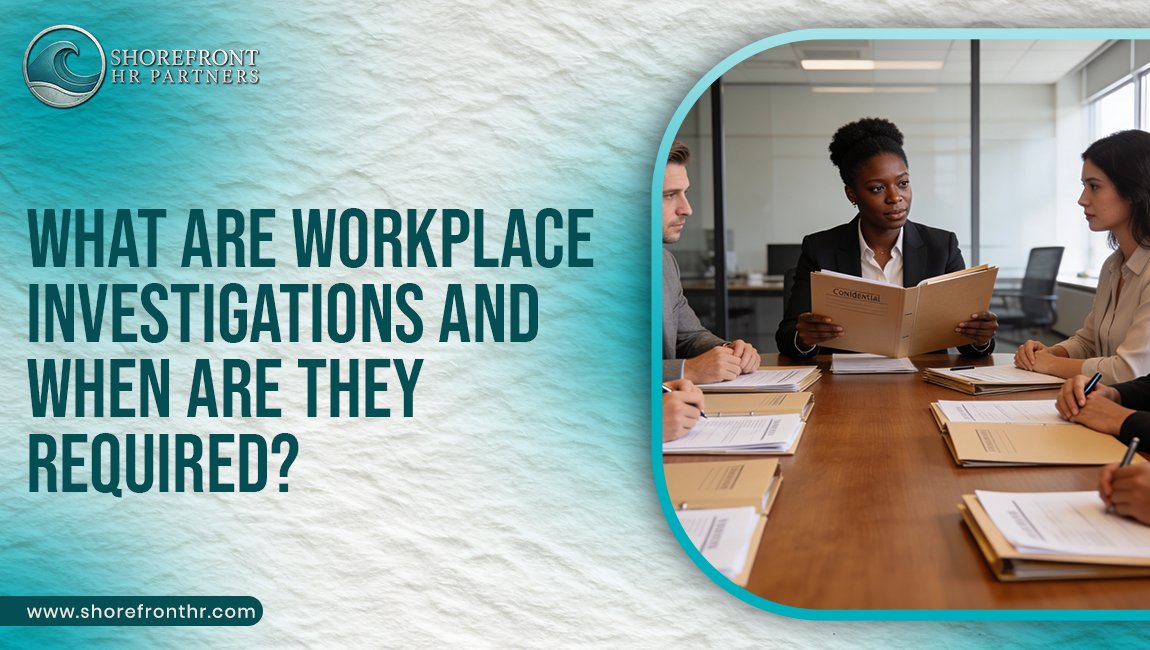
Every workplace has its ups and downs. Most of the time, employees get along, and work gets done, but occasionally, things can go wrong. When a serious problem or complaint pops up, a business can’t just ignore it or take a wild guess at what happened.
That is where a workplace investigation comes in. Think of it as a formal “fact-finding mission.” It is a way for a company to hit the pause button, look at the evidence, and figure out the truth before making any major decisions.
One of the most important parts of running a business is knowing when to start an investigation. Doing it right keeps you out of legal trouble. It shows your team that you actually care about fairness. If you handle problems well, your business stays strong. If you don’t, things can turn messy fast.
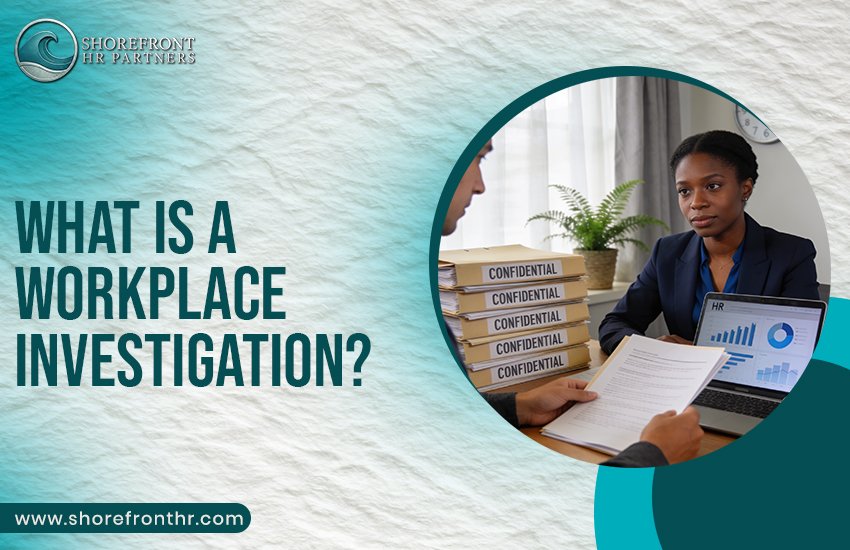
What Is a Workplace Investigation?
In simple terms, a workplace investigation is a fair and organized way to look into employee complaints, reports of misconduct, policy violations, or specific incidents at work. Unlike a casual conversation between a manager and an employee, a formal investigation involves gathering evidence, interviewing relevant parties, and systematically documenting findings. The goal is to determine the facts of a situation without bias, providing a clear picture of what occurred. So that appropriate action can be taken.
Conducting these investigations ensures fairness for all parties involved. It helps the organization stay in alignment with state and federal employment laws. It is not picking sides. It’s making sure that if someone is punished or if a claim is dismissed, there is a clear, honest reason based on actual evidence. This process helps the business solve problems properly and keeps everyone on the same page.
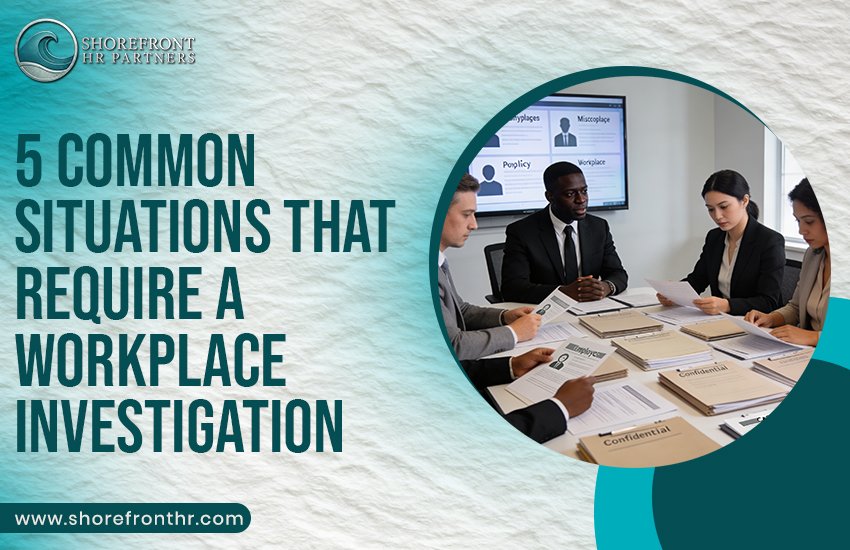
5 Common Situations That Require a Workplace Investigation
Not every small argument needs a formal investigation. However, there are five big situations where you definitely need to take a closer look.
- Harassment or discrimination complaints: If someone feels mistreated because of who they are, you must investigate to keep the workplace safe and compliant with the law.
- Employee misconduct or policy violations: When someone breaks major company rules, such as theft or ignoring safety laws, you need proof before taking action.
- Retaliation claims: If an employee says they were punished solely for speaking up about a problem, you have to determine whether that is true.
- Workplace conflicts or disputes: When two employees are fighting so badly that it stops work from getting done, a neutral look at the situation can help fix it.
- Whistleblower complaints: If an employee reports that the company is engaging in illegal or unethical conduct, you must take it seriously and verify the facts.

4 Situations When Workplace Investigations Are Legally Required!
In many instances, investigating is not just a best practice. It is a legal mandate that, if ignored, results in severe penalties and lost lawsuits.
- When complaints involve protected classes: Laws require you to act quickly if someone reports unfair treatment based on factors like race, age, or gender.
- When laws or regulations are implicated: In certain jobs, such as healthcare or banking, the law requires you to investigate any report of safety or ethical issues.
- When formal claims are filed (e.g., EEOC): If a government agency receives a complaint about your company, it will expect to see a full internal report.
- When company policies mandate action: If your own employee handbook says “we will investigate all reports of X,” you have to follow through or you’re breaking your own contract.
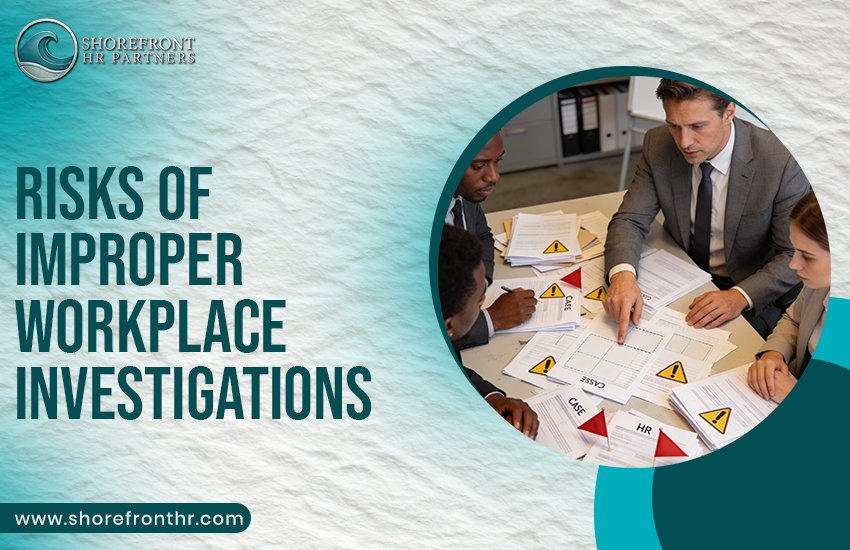
Risks of Improper Workplace Investigations
If an investigation is handled poorly or not done at all, the company faces huge risks. The biggest one is legal liability. If you fire someone without a proper investigation, they can sue you for wrongful termination, and without good notes, you’ll likely lose.
It also ruins the “vibe” of the office. When employees see that complaints are handled unfairly, they stop trusting the bosses. This leads to people quitting, low morale, and a bad reputation that makes it hard to hire good people in the future.
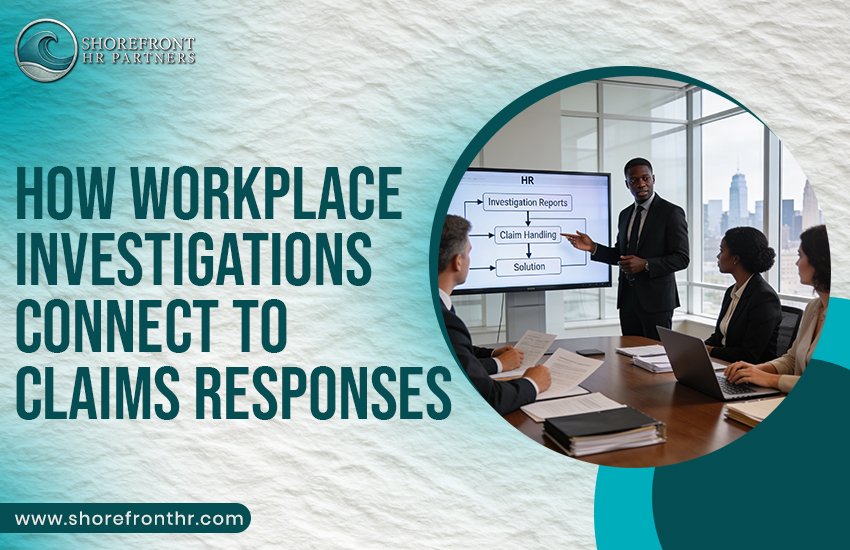
How Workplace Investigations Connect to Claims Responses
A workplace investigation is often the first step in a legal battle. If an employee decides to sue, the notes and evidence you gathered during your investigation become your primary defense. A well-done investigation shows the court (and the employee’s lawyer) that the company acted fairly and followed the rules.
By having all your facts straight from the beginning, you can respond to legal “claims” with confidence. Good documentation acts like a shield; it can stop a small complaint from turning into an expensive, years-long court case because you already have the proof ready to go.
Prevent Legal & Operational Risks with Shorefront HR’s Claims Response Services!
Handling investigations and legal claims is stressful and complicated. One small mistake in your paperwork can cost your business a lot of money. You shouldn’t have to do it all by yourself. That is where we come in to help keep things professional and organized.
Our claims response services take the weight off your shoulders. We help you turn your investigation findings into a solid, legal defense. We know the laws inside and out. So, we can make sure your business is protected every step of the way.
Don’t wait until a small problem becomes a huge lawsuit. Whether you are currently facing a formal claim or want to ensure your investigative processes are up to standard, Shorefront HR Partners is here to help. Reach out today to keep your business safe and successful!
Frequently Asked Questions
What happens in a workplace investigation?
It typically involves an intake complaint, planning, gathering evidence (emails/documents), interviewing parties involved, and producing a final report to determine appropriate actions.
What are the 5 P’s of investigation?
People, Parts, Paper, Position, and Place
How long is a workplace investigation?
A workplace investigation can vary in length depending on several factors, including the nature, complexity, and severity of the incident, as well as the number of witnesses, the amount of evidence involved, and scheduling constraints. While some investigations may be completed within a few days, most typically take between 2 and 8 weeks. In more serious or complex cases, such as major incidents or disasters, investigations extend over several months or even years.
What not to say in a workplace investigation?
In a workplace investigation, avoid speculation, opinions, hearsay, or unsubstantiated accusations. Do not discuss the investigation, blame others without evidence, or assume the outcome. Prohibit personal judgments and ensure all statements are neutral.