

Most executives see a merger as a giant pile of spreadsheets and bank statements. They pore over the numbers for weeks, assuming the deal is finished once the funding clears. But a company is actually a collection of living people. If you ignore them, you just bought some furniture and a few computer screens.
HR steps in to manage the human side of this equation. This is far more than just updating payroll or swapping out logo pins. It means keeping the spirit of the workplace alive while the whole organization changes its shape.
Think of this function as the glue for the entire transaction. While lawyers look at the fine print in contracts, HR looks at the faces behind those names. They make sure the talent you bought really wants to stick around and help you grow.
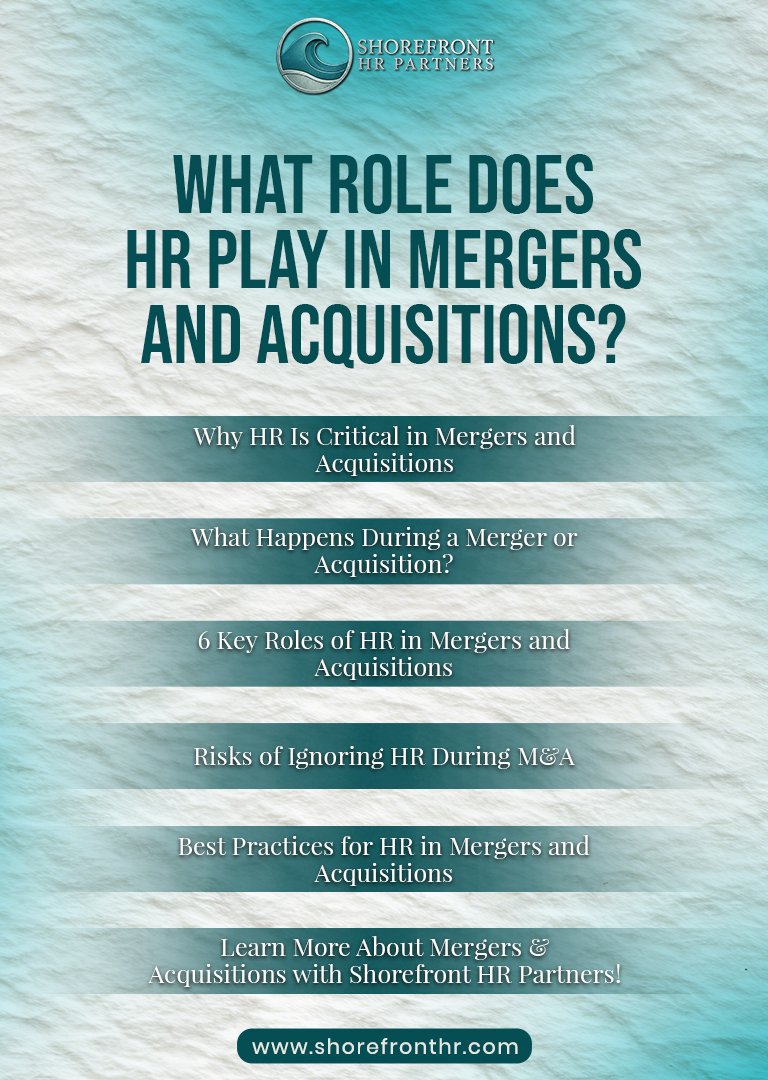
Why HR Is Critical in Mergers and Acquisitions
Cultural misalignment and talent loss are the primary reasons 70% to 90% of deals fail to meet their strategic and financial goals. Dealmakers focus on financial synergies. But HR acts as the strategic integrator, conducting due diligence to identify hidden people-related risks, such as clashing company values, disparate compensation structures, or compliance gaps, before the deal closes.
HR ensures operational continuity by aligning policies, benefits, and communication. This helps reduce employee anxiety and maintain productivity during turbulent transitions. Leadership often forgets the emotional weight of a sale. Employees feel scared about their mortgages and their job titles. HR handles this fear so that your top talent stays put.
What Happens During a Merger or Acquisition?
Mergers and acquisitions (M&A) involve combining two companies into one entity (merger) or one company purchasing another (acquisition) to expand market share, reduce costs, or gain assets. It is a structured process that requires HR to be active at every stage:
- Pre-deal (planning & due diligence): Companies define strategic goals, identify targets, sign NDAs, and conduct exhaustive financial, legal, and operational investigations to uncover risks and determine valuation.
- Deal execution: Parties negotiate terms, sign the final agreement, secure financing, obtain regulatory approvals (e.g., antitrust), and legally transfer ownership.
- Post-merger integration: Management combines teams, IT systems, and cultures to achieve cost savings, revenue growth, and operational synergies to align the new entity.
6 Key Roles of HR in Mergers and Acquisitions
To navigate the complexities of M&A, HR professionals must execute a variety of tactical roles that cover everything from legal compliance to emotional intelligence.
The following six roles of HR are the pillars of a successful integration strategy:
- HR Due Diligence: Professionals evaluate the target company’s workforce and policies to identify financial and legal risks.
- Employee Communication Planning: Aligning internal messaging with organizational goals, using targeted channels to foster transparency and engagement.
- Talent Retention and Transition: Cultivating a supportive, growth-oriented culture to keep top performers.
- Cultural Integration: HR blends the different work environments of both companies into a cohesive, harmonious organizational culture.
- Compliance and Legal Alignment: Ensuring all new contracts and policies meet the regulatory requirements of the new combined entity and comply with relevant labor laws and regulations.
- HR Systems and Process Integration: Consolidating HR technologies and processes into a unified, efficient system to ensure operational continuity.
Risks of Ignoring HR During M&A
Ignoring the people involved in a merger & acquisition is a fast way to lose money. When leadership focuses solely on the balance sheet, the venture often fails.
- Failed integrations
- High turnover
- Legal issues
- Productivity loss

Best Practices for HR in Mergers and Acquisitions
Successful M&A outcomes are rarely accidental. Most of the time, they are the result of proactive planning and a commitment to people-centric strategies. Follow these best practices, and you can increase the likelihood of a smooth transition.
- Start HR involvement early
- Conduct thorough due diligence
- Prioritize communication
- Plan integration in advance
- Monitor post-merger performance

Learn More About Mergers & Acquisitions with Shorefront HR Partners!
A successful merger or acquisition is not just about financial alignment. It is about people. Their decisions shape how well two organizations function after the deal closes. That is where HR support becomes practical rather than optional.
Shorefront HR Partners works with organizations to bring structure and clarity to workforce transitions during M&A activity. We keep communication steady and reduce disruption, supporting leaders as they make critical people decisions.
If you are considering a merger or acquisition and want to ensure your human capital strategy is as robust as your financial strategy, Shorefront HR Partners is here to help.
Contact us today and let us support your organization through every step of the transition.
Frequently Asked Questions
What is HR due diligence?
It is the comprehensive process of evaluating a target company’s workforce and policies during mergers and acquisitions (M&A) to identify risks and ensure a smooth transition.
When should HR be included in the M&A process?
HR should be involved from the earliest planning stages. Early input helps identify workforce risks, compensation gaps, and cultural differences before decisions become harder to adjust.
What is the biggest HR challenge during a merger?
The biggest HR challenge during a merger is cultural integration, harmonizing two distinct corporate cultures and work styles to prevent friction and disengagement. This is closely followed by retaining key talent during uncertainty
How long does HR involvement last in a merger or acquisition?
HR involvement is not a single event but an ongoing process that continues beyond the deal close. It can take months, depending on the size of the organizations involved.